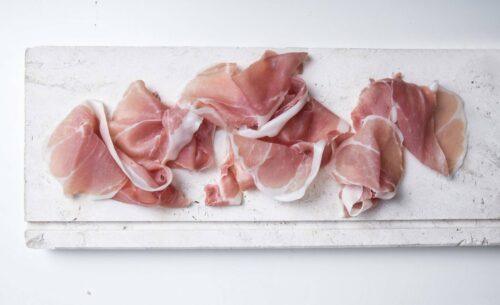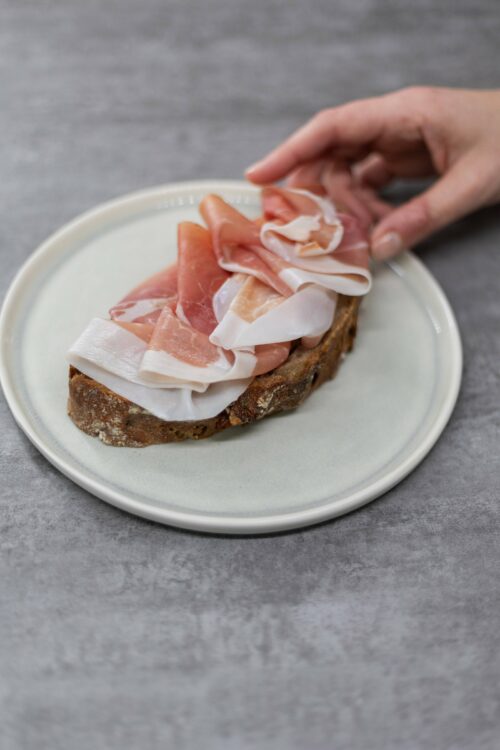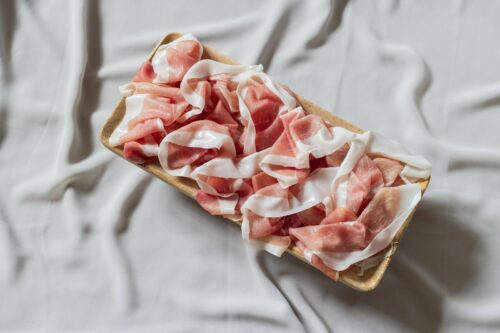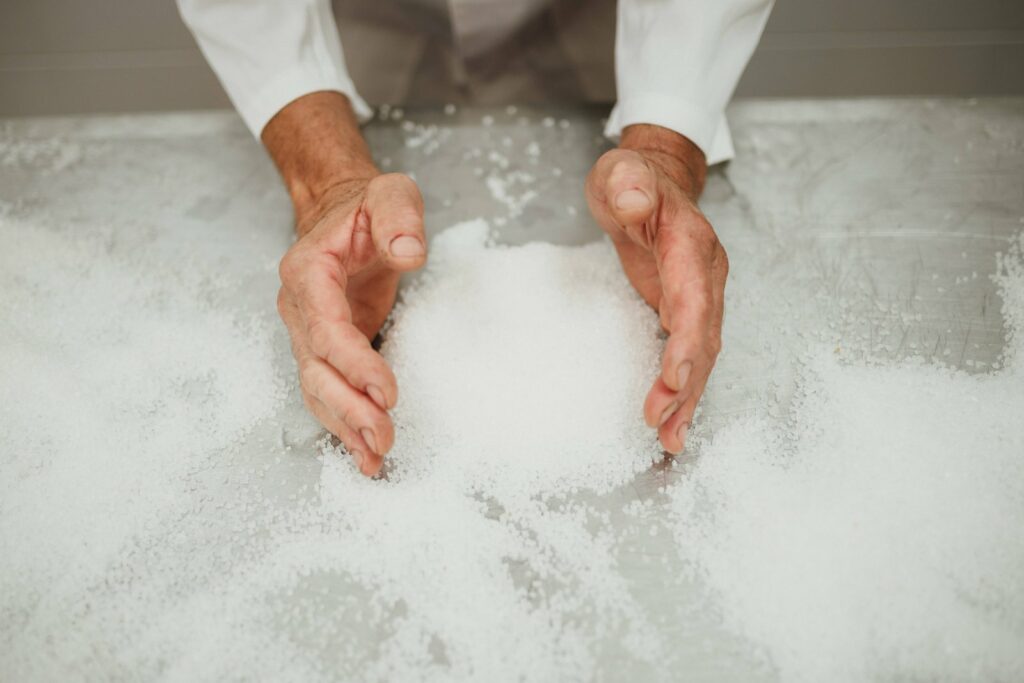
In addition to pork legs, the second and final key ingredient in Prosciutto di San Daniele PDO is salt
—that simple, essential, ancient substance which has been used for centuries to transform meat into something extraordinary.
Today, salt also lies at the heart of one of the Consortium’s most ambitious undertakings: a project unlike any other in Europe, turning an inevitable waste product into a valuable resource.
Nothing but Italian sea salt for Prosciutto di San Daniele
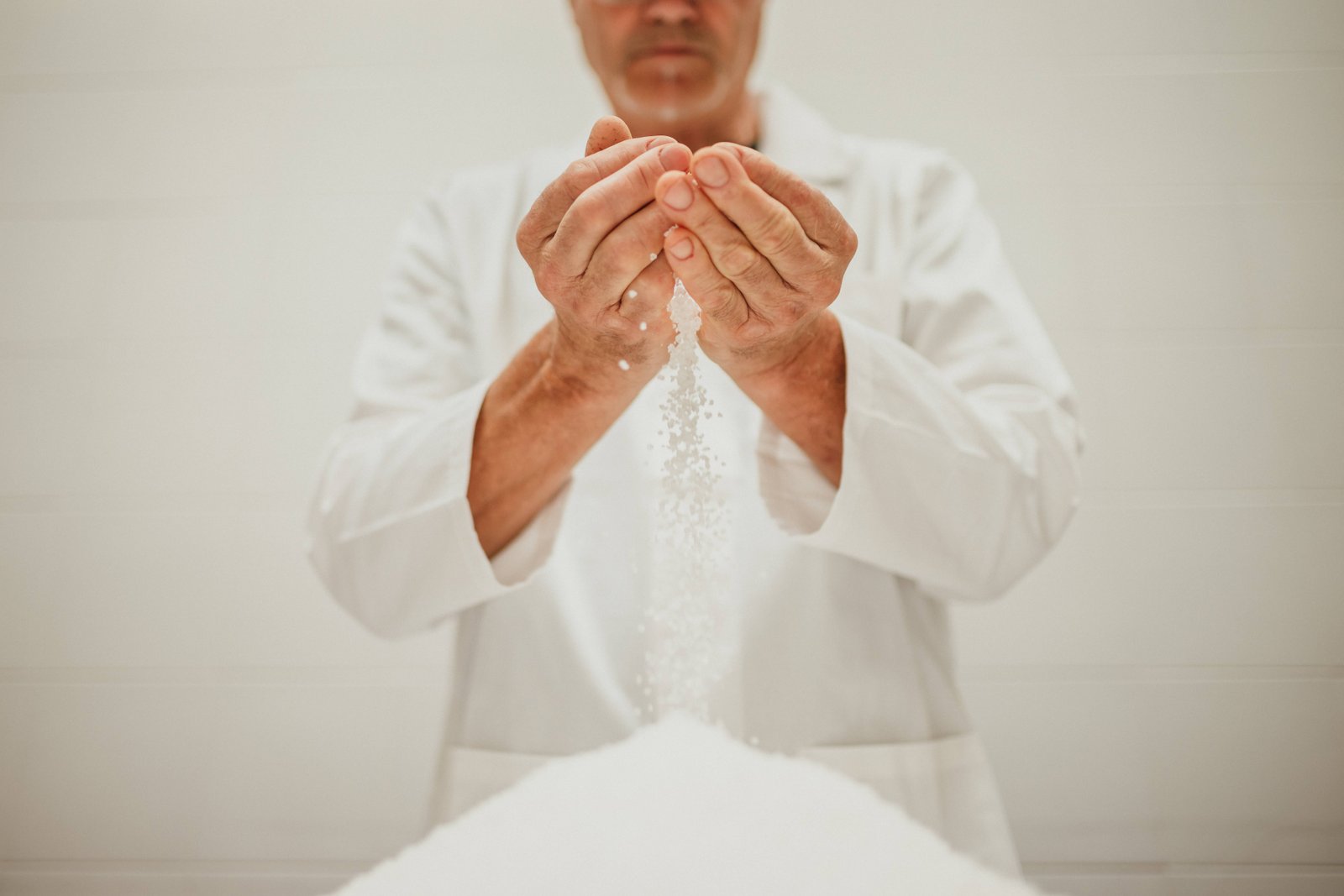
The salt used in the production of Prosciutto di San Daniele is exclusively Italian sea salt, sourced from the central and southern regions of the country.
This choice not only guarantees product quality but also ensures complete supply chain coherence: just like the pork legs, this raw material is selected according to precise criteria, in full compliance with the PDO Product Specification.
Salting is carried out using the dry method: each leg is sprinkled with salt and left to rest at a temperature between 0 °C and 3 °C for a number of days corresponding to its weight in kilograms. During this stage, the meat begins to release moisture, initiating the dehydration process that sets the stage for the long curing period.This is followed by pressing, which helps the salt penetrate the flesh and ensures a uniform distribution of flavour throughout the leg.
Sea salt and the circular economy: waste becomes a resource
The salting of hams produces byproducts: spent salt and brine generated during processing.
Since 2009, the Consortium has coordinated the proper disposal of these byproducts on behalf of all its member producers, preventing them from harming the environment through inadequate management.
Over time, however, the challenges have increased: few authorised facilities, rising transport costs, and the growing difficulty of finding new suppliers.
From this complexity, an ambitious idea took shape: to recover salt and brine directly on site, through a facility designed to handle locally what had required long distance transport and generated steadily rising costs in the past.
The Trasaghis plant: a unique facility in Europe
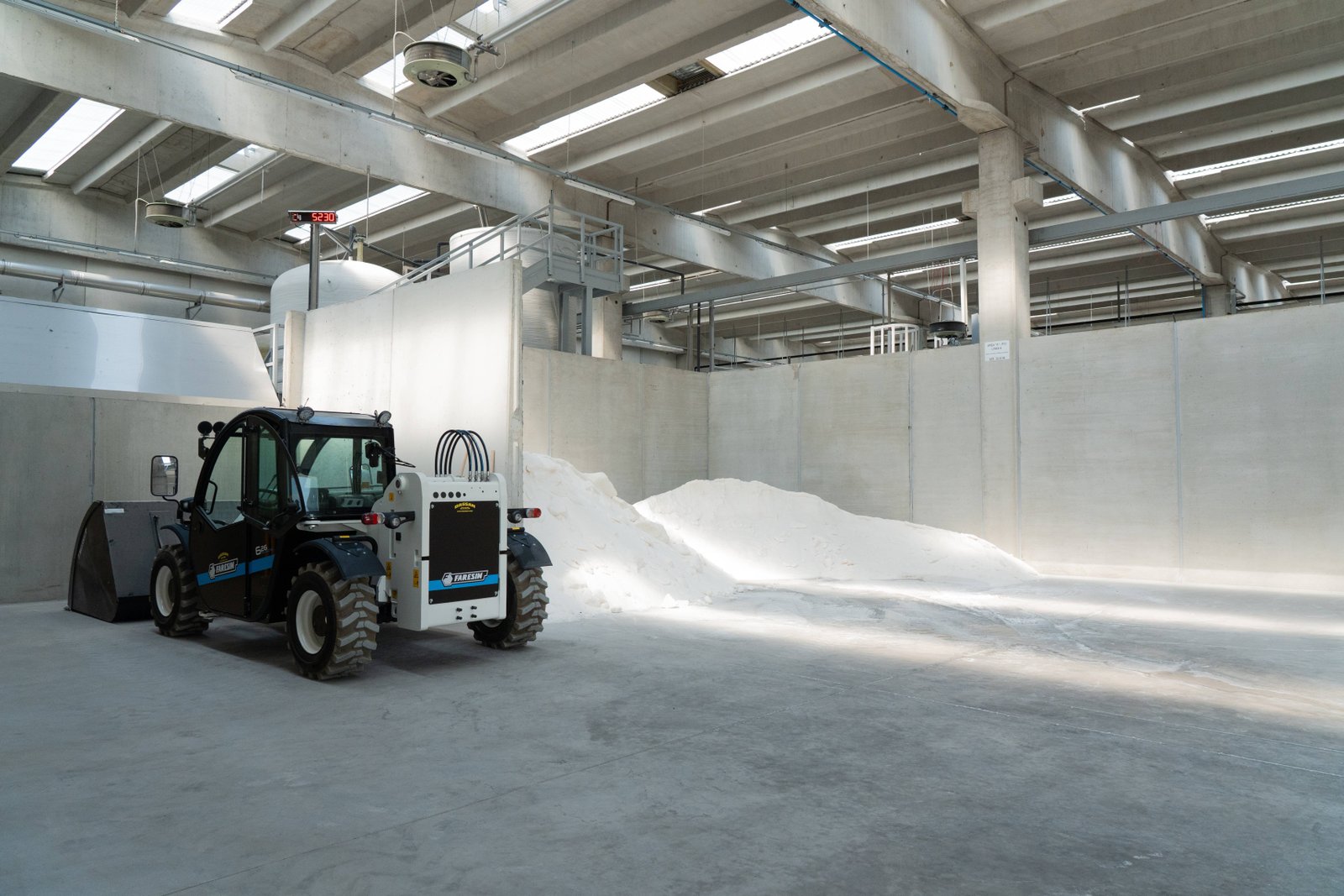
On 23rd June 2025, around fifteen kilometres from San Daniele del Friuli, in the municipality of Trasaghis, the new plant dedicated to recovering and enhancing salt waste from the production district was inaugurated.
It is the most ambitious sustainability project ever undertaken by the Consortium, and the first of its kind in Europe.
The plant required a purpose-built design, significant financial investment and the completion of a highly complex technical and administrative process.
The facility was built on a site previously used for other industrial activities: no new land was consumed, fully in line with the circular economy principle that inspired it.
How does the salt and brine disposal process work?
The plant has two separate lines, each dedicated to a specific type of waste.
Line A processes spent salt and is operational for around 200 days a year.
Line B processes brine continuously, 24 hours a day, 350 days a year.
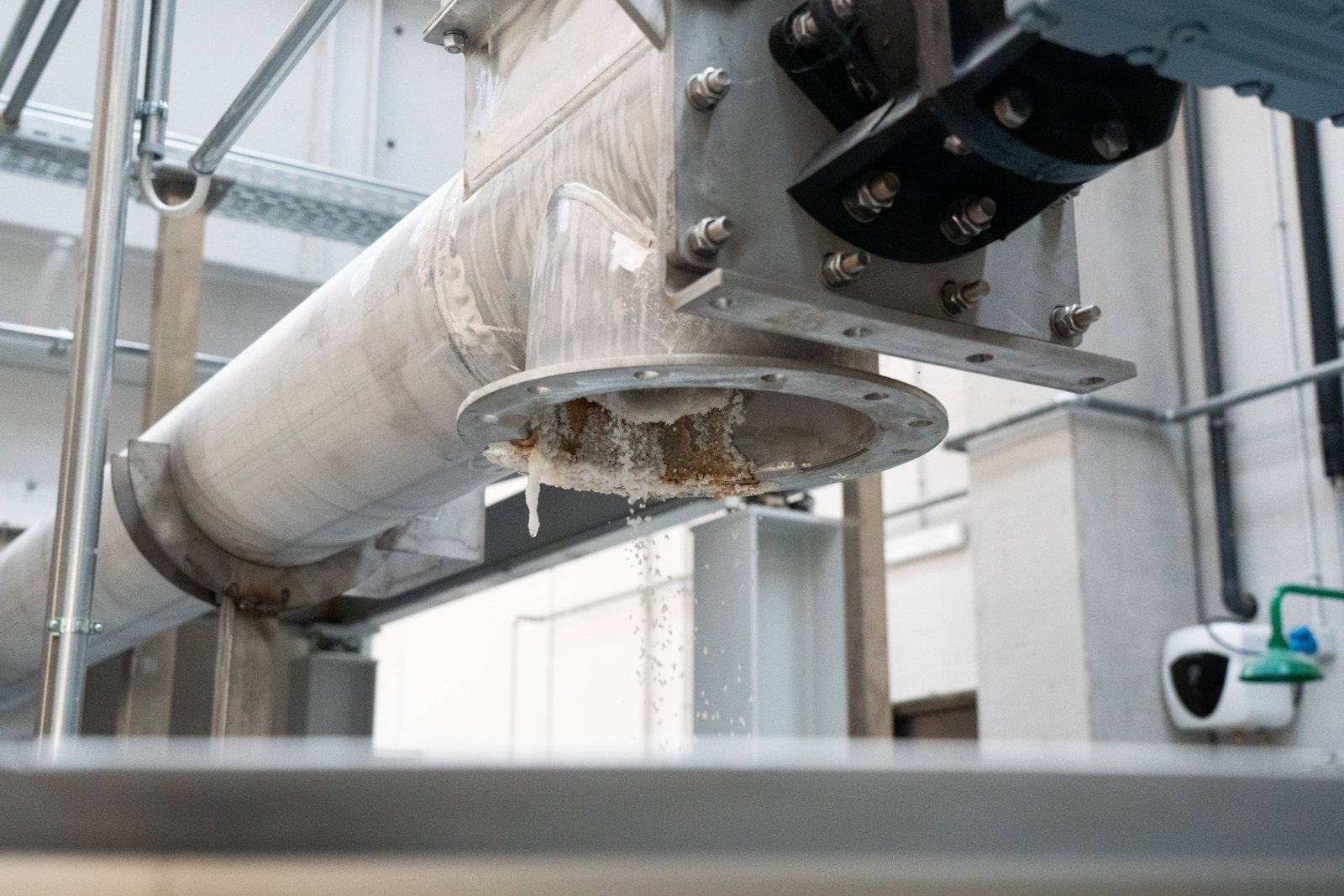
The brine is treated using biological and physico-chemical processes until the salt is completely separated from organic impurities.
The extracted water is evaporated and returned clean to the natural cycle, while the residual salt is screened, subjected to sanitising washes and used for new purposes: road de-icing, leather tanning or non-food industrial applications.
To ensure that energy needs are also met sustainably, the plant is equipped with a cogeneration configured internal combustion engine capable of covering 97% of electricity demand and 49% of heat demand.
The plant has delivered significant results, which illustrate the scale of this initiative better than any description: 3,800 tonnes of solid salt recovered, 4,200 tonnes of regenerated brine, an 88% reduction in transport mileage and a 90% reduction in CO₂ emissions.
Prosciutto di San Daniele, the Consortium and the Land: an unbreakable link
The salt recovery project is just one example of a commitment that the Consortium for Prosciutto di San Daniele has upheld since its inception, rooted in the understanding that the land is not merely the backdrop to San Daniele’s production, but its very foundation.
For this reason, since 2019 the Consortium has adopted its own Sustainability Model, covering every dimension of the sector: water management, energy efficiency, the use of renewable sources, the reduction of emissions, and the protection of biodiversity and the river Tagliamento.
Every production decision is geared towards preserving the landscape, the community and the environment that give life to San Daniele.
Protecting Prosciutto di San Daniele and safeguarding the land are not separate objectives; they come together in a single, overarching mission: to protect a product that is unique in the world, from the curing rooms to the table.